Artisan Bread - Shock aux Pain
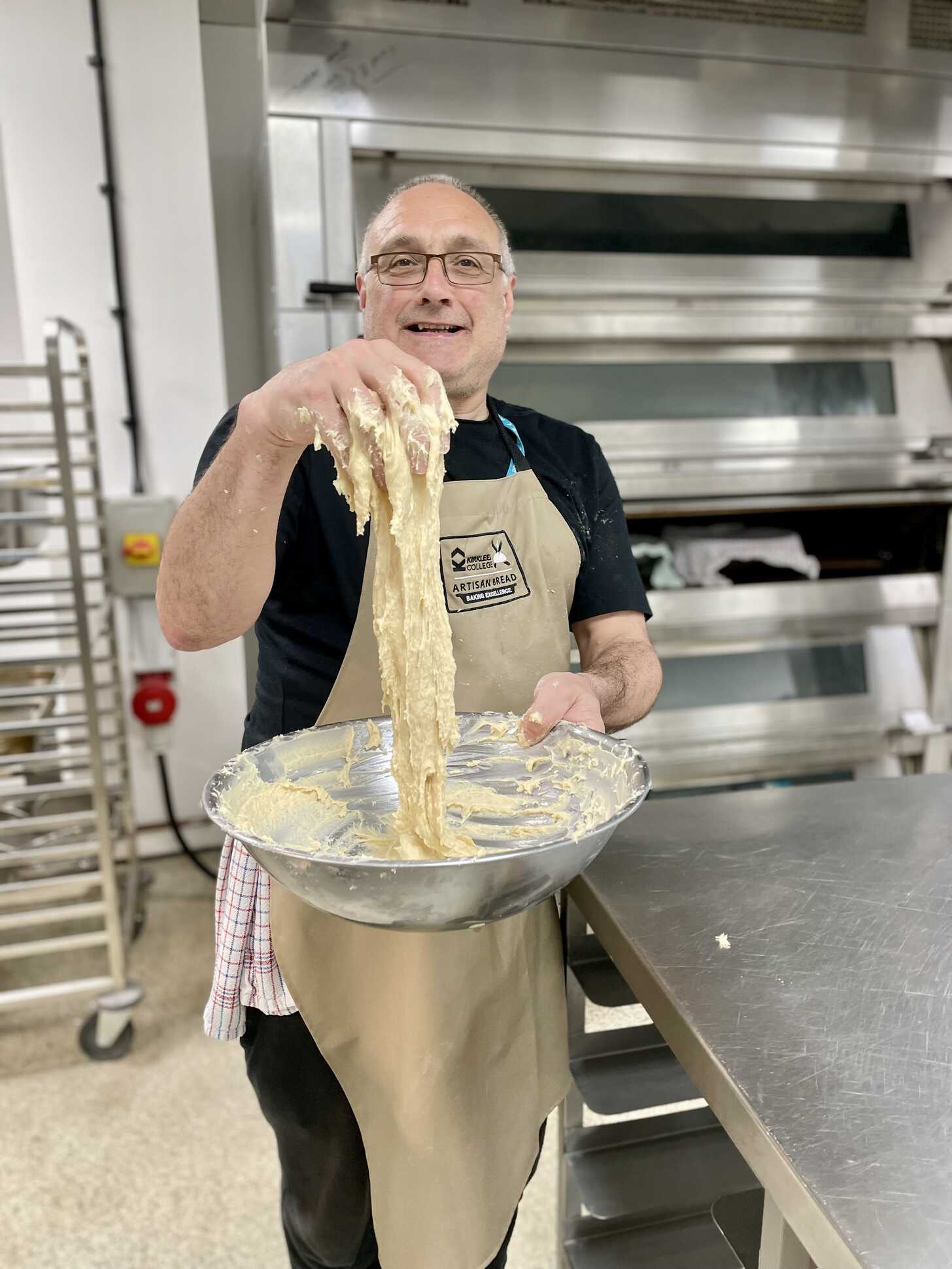
Due to illness today's planned sourdough-starter and ciabatta lesson has been postponed, and we will instead make Shokupan. Japanese Milk Bread.
Similar to Hokkaido Milk Bread except slightly less sweet, it's an astonishingly light and fluffy bread, invariably used throughout Japan for making toast and sandwiches, and it comes in two forms - the square commercial ones baked in lidded Pullman or Pain de Mie loaf tins, and the humped and glazed version usually baked at home.
Interestingly the term Pullman for these square tins comes from them being used in Pullman's railway dining cars due to the stacking efficiency of their rectangular shape.
We made ours humped (Yama or mountain style in Japanese) - possibly due to our lack of Pullman tins.
This bread gets its lightness from a scalding of the flour, similar to making a roux, which allows the starch molecules to swell and absorb and hold more water, creating a fine pillowy crumb the Japanese call fuwa fuwa, or fluffy fluffy.
This flour scald is called yudane in Japan where flour and boiling water are mixed together, or tangzhong in Chinese, in which flour and water (or milk) are cooked together like a roux.
All this produces a super-sticky dough which is very difficult to work to a smooth, coherent paste. So I recommend using an electric mixer with a dough hook for at least 15 minutes if you want to avoid stretching and kneading for hours by hand 🙄
The loaves are usually glazed with beaten egg, or brushed with butter after cooking.
Shokupan is also great bread for making panko style breadcrumbs at home. Just remove the crusts and grate or shred the bread using a box grater or food processor with shredding attachment.
You can now spread them out on a tray and dry them in the oven if you need them to keep for longer.
Similar to Hokkaido Milk Bread except slightly less sweet, it's an astonishingly light and fluffy bread, invariably used throughout Japan for making toast and sandwiches, and it comes in two forms - the square commercial ones baked in lidded Pullman or Pain de Mie loaf tins, and the humped and glazed version usually baked at home.
Interestingly the term Pullman for these square tins comes from them being used in Pullman's railway dining cars due to the stacking efficiency of their rectangular shape.
We made ours humped (Yama or mountain style in Japanese) - possibly due to our lack of Pullman tins.
This bread gets its lightness from a scalding of the flour, similar to making a roux, which allows the starch molecules to swell and absorb and hold more water, creating a fine pillowy crumb the Japanese call fuwa fuwa, or fluffy fluffy.
This flour scald is called yudane in Japan where flour and boiling water are mixed together, or tangzhong in Chinese, in which flour and water (or milk) are cooked together like a roux.
All this produces a super-sticky dough which is very difficult to work to a smooth, coherent paste. So I recommend using an electric mixer with a dough hook for at least 15 minutes if you want to avoid stretching and kneading for hours by hand 🙄
The loaves are usually glazed with beaten egg, or brushed with butter after cooking.
Shokupan is also great bread for making panko style breadcrumbs at home. Just remove the crusts and grate or shred the bread using a box grater or food processor with shredding attachment.
You can now spread them out on a tray and dry them in the oven if you need them to keep for longer.
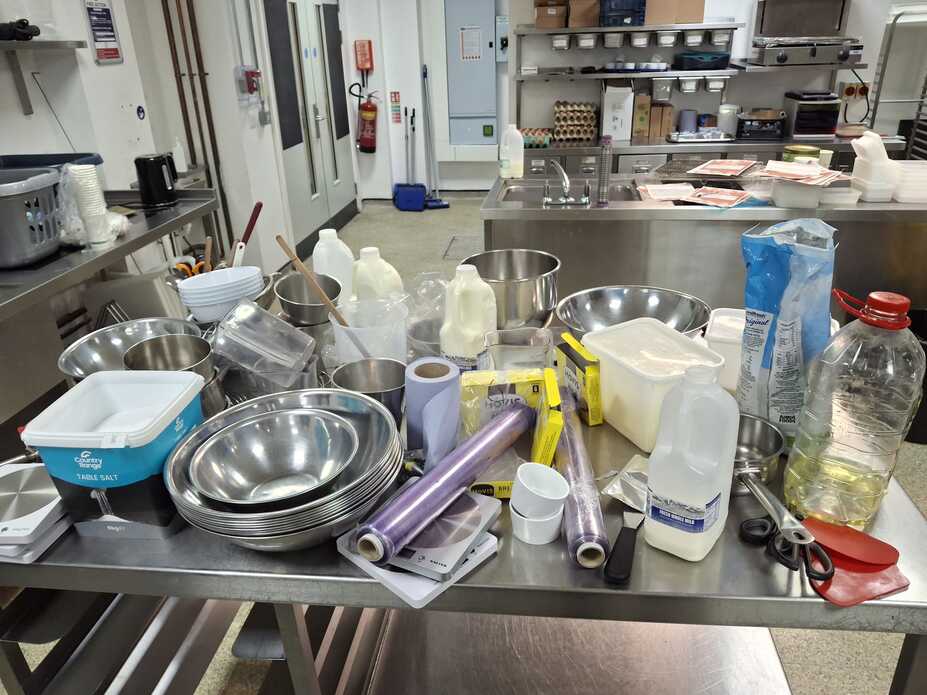
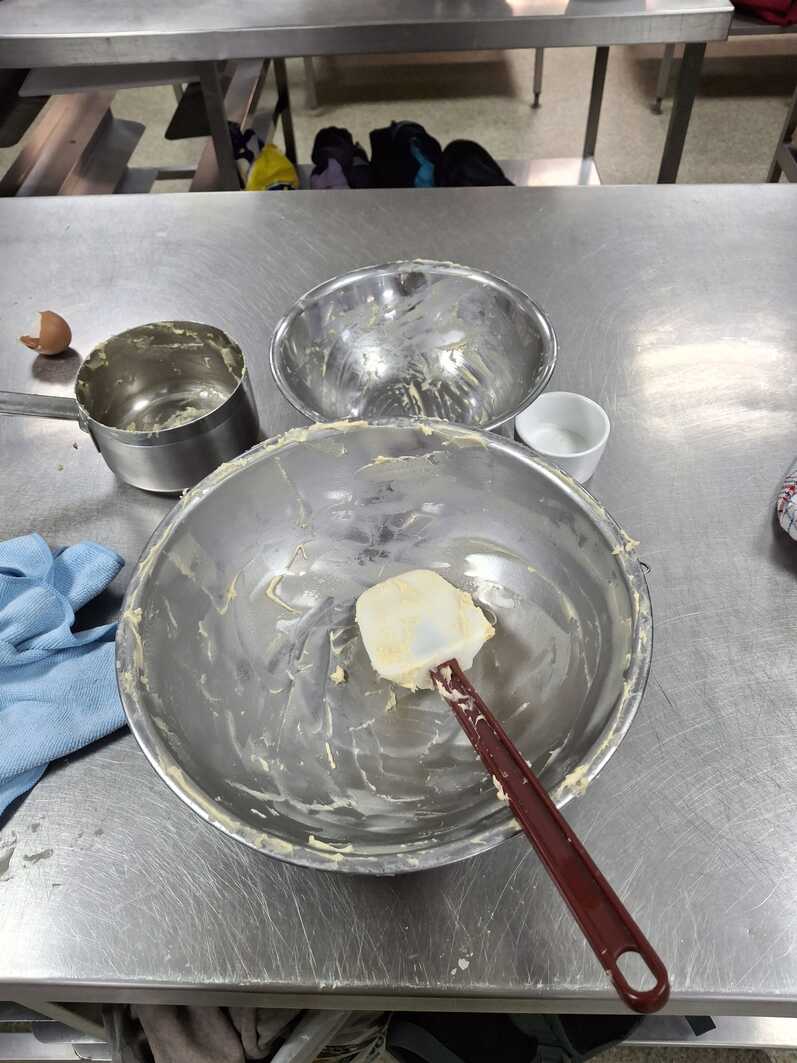
Japanese Panko breadcrumbs have a fascinating origin story, that begins with the defeat of Japan by the U.S.A. during World War II.
The Americans generously donated an awful lot of flour to their former enemies to help them with their not-starving program, but unfortunately the Japanese were never really bread makers and did not have the ovens necessary to bake the wheat flour into loaves. And so they formed metal bread tins, possibly out of leftover tanks, filled them with dough, wired them up to leftover tank batteries, and electrocuted the dough!
The electric current passing through basically cooked the dough from the inside out, which turned out to create an amazingly light, spongy, crust-less loaf with an extremely open crumb.
When shredded, this bread turns into long flat shards or slivers which make the distinct panko breadcrumb when dried.
Compared with the dense gravel of Western breadcrumbs, panko is light, airy, relatively neutrally flavoured, and makes a crispier coating when fried without absorbing as much fat.
It's just better all around really.
Authentic commercial panko are still made the same way, from bread baked using an electrical current, but no, shokupan is not Japanese for Shocked Bread!
The Americans generously donated an awful lot of flour to their former enemies to help them with their not-starving program, but unfortunately the Japanese were never really bread makers and did not have the ovens necessary to bake the wheat flour into loaves. And so they formed metal bread tins, possibly out of leftover tanks, filled them with dough, wired them up to leftover tank batteries, and electrocuted the dough!
The electric current passing through basically cooked the dough from the inside out, which turned out to create an amazingly light, spongy, crust-less loaf with an extremely open crumb.
When shredded, this bread turns into long flat shards or slivers which make the distinct panko breadcrumb when dried.
Compared with the dense gravel of Western breadcrumbs, panko is light, airy, relatively neutrally flavoured, and makes a crispier coating when fried without absorbing as much fat.
It's just better all around really.
Authentic commercial panko are still made the same way, from bread baked using an electrical current, but no, shokupan is not Japanese for Shocked Bread!
Shokupan
Japanese Milk Bread
Japanese Milk Bread
class bread
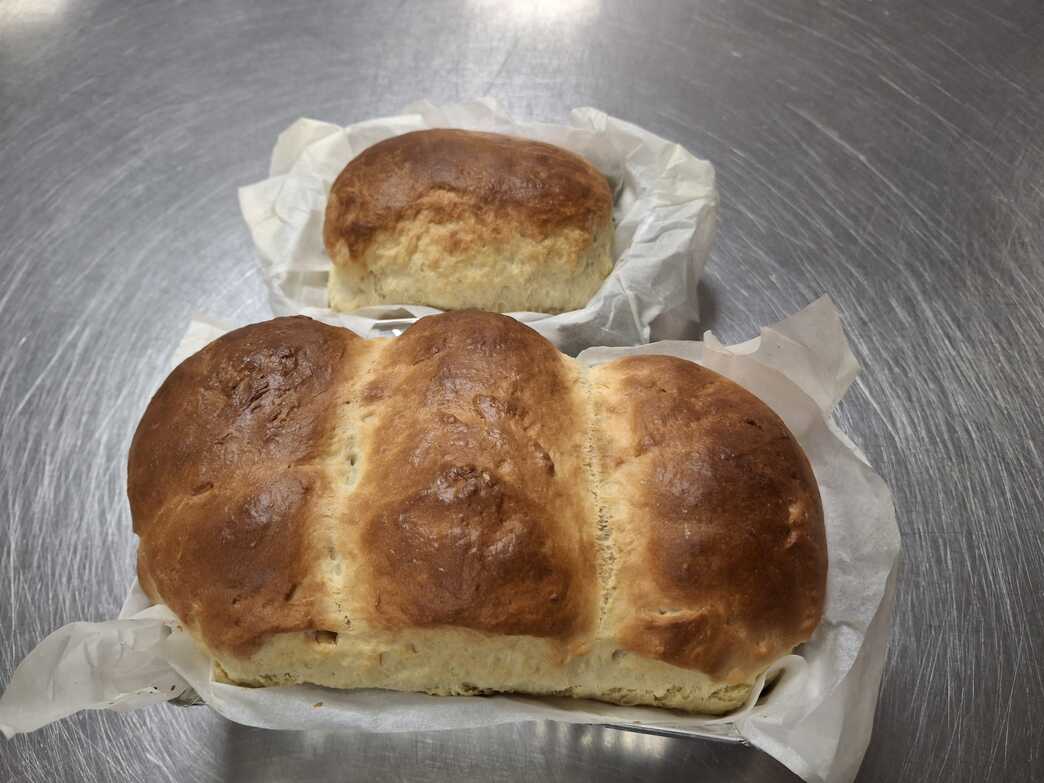
This King Arthur (the Baker!) recipe is slightly too sweet for my taste, and I'd say it was closer to the richer Hokkaido milk bread.
From King Arthur (not that King Arthur):
From King Arthur (not that King Arthur):
With origins in Japan's yukone (or yudane), tangzhong is a yeast bread technique popularized across Asia by Taiwanese cookbook author Yvonne Chen.
Tangzhong involves cooking some of a bread recipe's flour in liquid prior to adding it to the remaining dough ingredients.
Bringing the temperature of the flour and liquid to 65°C (149°F) pre-gelatinizes the flour's starches, which makes them more able to retain liquid — thus enhancing the resulting bread's softness and shelf life.
Makes 1 Sandwich Loaf
Ingredients
Tangzhong:- 3 tablespoons (43g) water
- 3 tablespoons (43g) milk, whole preferred
- 2 tablespoons (14g) King Arthur Unbleached Bread Flour
Dough:- 2½ cups (300g) King Arthur Unbleached Bread Flour Other bread flours are also available 😉
- 2 tablespoons (14g) King Arthur Baker's Special Dry Milk or nonfat dry milk
- ¼ cup (50g) granulated sugar
- 1 teaspoon (6g) table salt
- 1 tablespoon instant yeast
- ½ cup (113g) milk, whole preferred
- 1 large egg
- 4 tablespoons (57g) unsalted butter, melted
To make the tangzhong:
Combine all of the ingredients in a small saucepan, and whisk until no lumps remain.
Place the saucepan over low heat and cook the mixture, whisking constantly, until thick and the whisk leaves lines on the bottom of the pan, about 3 to 5 minutes.
Transfer the tangzhong to a small mixing bowl or measuring cup and let it cool to lukewarm.
To make the dough:
Weigh your flour; or measure it by gently spooning it into a cup, then sweeping off any excess. Combine the tangzhong with the remaining dough ingredients, then mix and knead — by mixer or bread machine — until a smooth, elastic dough forms; this could take almost 15 minutes in a stand mixer.
Shape the dough into a ball, and let it rest in a lightly greased bowl, covered, for 1 to 1½ hours, until puffy but not necessarily doubled in bulk.
Gently deflate the dough and divide it into four equal pieces; if you have a scale each piece will weigh between 170g and 175g.
Flatten each piece of dough into a 5" x 8" rectangle, then fold the short ends in towards one another like a letter.
Flatten the folded pieces into rectangles again (this time about 3" x 6") and, starting with a short end, roll them each into a 4" log.
Place the logs in a row of four — seam side down and side by side — in a lightly greased 9" x 5" loaf pan.
Cover the loaf and allow it to rest/rise for 40 to 50 minutes, until puffy.
Toward the end of the rising time, preheat the oven to 350°F.
To bake the bread:
Brush the loaf with milk and bake it for 30 to 35 minutes, until it's golden brown on top and a digital thermometer inserted into the center reads at least 190°F.
Remove the loaf from the oven and cool it in the pan until you can transfer it safely to a rack to cool completely.
Combine all of the ingredients in a small saucepan, and whisk until no lumps remain.
Place the saucepan over low heat and cook the mixture, whisking constantly, until thick and the whisk leaves lines on the bottom of the pan, about 3 to 5 minutes.
Transfer the tangzhong to a small mixing bowl or measuring cup and let it cool to lukewarm.
To make the dough:
Weigh your flour; or measure it by gently spooning it into a cup, then sweeping off any excess. Combine the tangzhong with the remaining dough ingredients, then mix and knead — by mixer or bread machine — until a smooth, elastic dough forms; this could take almost 15 minutes in a stand mixer.
Shape the dough into a ball, and let it rest in a lightly greased bowl, covered, for 1 to 1½ hours, until puffy but not necessarily doubled in bulk.
Gently deflate the dough and divide it into four equal pieces; if you have a scale each piece will weigh between 170g and 175g.
Flatten each piece of dough into a 5" x 8" rectangle, then fold the short ends in towards one another like a letter.
Flatten the folded pieces into rectangles again (this time about 3" x 6") and, starting with a short end, roll them each into a 4" log.
Place the logs in a row of four — seam side down and side by side — in a lightly greased 9" x 5" loaf pan.
Cover the loaf and allow it to rest/rise for 40 to 50 minutes, until puffy.
Toward the end of the rising time, preheat the oven to 350°F.
To bake the bread:
Brush the loaf with milk and bake it for 30 to 35 minutes, until it's golden brown on top and a digital thermometer inserted into the center reads at least 190°F.
Remove the loaf from the oven and cool it in the pan until you can transfer it safely to a rack to cool completely.
Absolutely lovely, fluffy texture, and that despite adding some extra flour when my arms nearly fell off trying to knead it into a smooth manageable dough.
I guess there's a reason King Arthur doesn't even suggest his knights use their hands 😂
I'd reduce the sugar to about 30g though.
I'd reduce the sugar to about 30g though.
I had to compromise anyway since the class did not have large enough bread tins for the whole mixture.